


Tucked along Kenya’s Indian Ocean coast, Malindi is one of those places that surprises you. It’s relaxed but full of life, historic but totally beachy — the perfect mix of sun, sea, and soul.
Getting to Malindi is easier than you might think — flights from the UK take around 11–12 hours (usually via Nairobi or Mombasa). From Mombasa Airport, it’s about a 2.5-hour scenic transfer along the coast to your resort. We recommend booking with TUI for their smooth packages, reliable transfers, trusted local guides, and well-rated beach hotels — making your Kenyan escape completely stress-free.

The beaches here are stunning — long, white, and washed by calm turquoise waves. The Malindi Marine National Park sits just offshore, protecting coral gardens, sea turtles, and a rainbow of tropical fish. Bring your snorkel or hop on a glass-bottom boat — the colours beneath the surface are unreal.
But Malindi is much more than beaches. Hidden in the forest to the south are the Gede Ruins, a lost Swahili city built from coral stone in the 15th century. Walking among its ancient wells, mosques, and palace walls feels like stepping back in time.
Nearby, the Malindi Museum holds delicate glass, porcelain and Persian artefacts uncovered from Gede. A short walk away, the Vasco da Gama Pillar — placed here by the Portuguese explorer in 1499 — stands proudly beside the old Portuguese Church, a quiet echo of centuries of trade and travel.
Animal lovers should make a stop at the Malindi Snake and Crocodile Farm, home to East Africa’s largest reptile collection. Not far away, the Falconry Farm offers a gentler encounter — eagles, falcons, owls and colourful local birds swoop and preen under the coastal sun. It’s a surprisingly peaceful place to wander.
For something more hands-on, join a Kenyan cooking class at Mida Creek Nature Camp. Under a shady tree or by a campfire, you’ll learn to make dishes like ugali, pilau, sukuma wiki or nyama choma with homegrown ingredients.
If you’re craving adventure, take a day trip inland to Tsavo East National Park through the Sala Gate. Here, elephants splash in muddy waterholes, giraffes stretch above acacias, and lions nap in the heat. With luck, you’ll catch the “big cats” in action.
For the full safari experience, spend a night inside the park. Early morning drives reveal herds gathering around Aruba Dam, built back in 1952. As the sun rises over the savannah, the golden light feels almost otherworldly. Return to Malindi the next day with red dust on your shoes and a camera full of memories.
Back by the coast, explore Malindi’s creative side. Visit the wood workshops where local craftsmen carve intricate designs using age-old techniques — each piece tells its own story. Then lose yourself in the spice market, a swirl of scent and colour filled with cardamom, cloves, and laughter.
For a great day trip, heading north, the road crosses the Sabaki River towards Mambrui village, where daily life unfolds in the sandy streets. Beyond lies Che Shale Beach, nicknamed the “golden beach” for its glittering sand that sparkles under the tropical sun — an unreal shimmer of gold meeting blue. From here, glide across the water in a traditional canoe to Robinson Island, a tiny slice of paradise surrounded by crystal-clear shallows. The adventure continues at the breathtaking Marafa Canyon, where the rocks glow fiery red at sunset.
Closer to Watamu, Mida Creek is a must-see. Walk along the long wooden bridge suspended among mangroves, spotting herons, kingfishers, and flamingos in the trees. When the tide is low, you can stroll across the lagoon’s seabed, where crabs and starfish peek out from the sand. The creek is a UNESCO-protected biosphere reserve — one of Africa’s top bird-watching zones with over 65 migratory species.
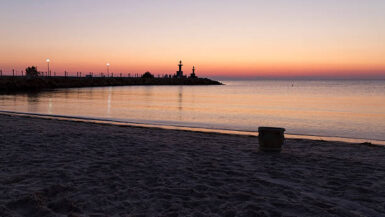
Back in Malindi, evenings drift by to the sound of the sea. Locals gather along the promenade, kids play in the surf, and beach cafés serve grilled fish and coconut rice as the sky turns pink.
Malindi’s magic lies in its mix — history and heritage, wildlife and waves, the warmth of people who smile as if they’ve known you for years. Whether you’re chasing sunsets, exploring coral gardens, or just sipping coffee under palm trees, this coastal town has a way of slowing you down in the best possible way.

Top Travel Tips
Carry reef-safe suncream– the marine park’s corals are fragile, and eco products protect them beautifully.
Bring light cotton clothes – Malindi’s humidity is real, and natural fabrics keep you cool and comfy.
Take cash in Kenyan shillings – smaller shops and tuk-tuks rarely accept cards, especially outside main areas.
Try a local matatu ride – it’s chaotic, cheap, and the most authentic glimpse of coastal life.
Stay for sunset at Che Shale – the golden sand literally glows as the sun melts into the sea.
Best time to visit: December–March or July–September for sunny skies, calm seas, and perfect beach conditions.
Check tides for Mida Creek – low tide reveals walking paths and starfish, perfect for photography.
Use mosquito repellent – especially at dawn and dusk; coastal areas can carry malaria risk.
Stay hydrated and safe – tap water isn’t drinkable, always use bottled water for drinking.
So, if you’re ready for white sands, ancient stories, and a splash of adventure, Malindi is waiting. Pack light, bring your curiosity, and let Kenya’s coast do the rest.

Leave a reply