


If your idea of a good holiday includes crystal-clear water, colourful fish judging your life choices, and that floaty, peaceful feeling where nothing matters except your next breath — welcome, you’re my people.
Diving holidays with TUI aren’t just about ticking off a bucket-list experience. They’re about slowing things down, heading underwater, and discovering a whole other world that most people never see. And the best part? TUI makes it ridiculously easy, whether you’re a total newbie or already on first-name terms with manta rays.

When’s the Best Time to Go Scuba Diving?
Short answer: it depends where your flippers are taking you.
Generally speaking, May to November is prime diving season in a lot of places. But diving’s a bit like dating — timing matters, and every destination has its own personality.
Take the Maldives, for example. Early in the year, the east side is calm, clear, and basically living its best life. From May onwards, things flip — the west side becomes the smooth operator, while the east gets a little more dramatic. Same destination, different vibes. It’s all about picking the right spot at the right time.
Why You Can’t Fly and Dive on the Same Day (Sorry)
Right, tiny science moment — I promise not to make it boring.
When you scuba dive, your body absorbs nitrogen. Totally normal. But once you’re back on dry land, your body needs time to get rid of it. If you then hop on a plane too soon, the cabin pressure can mess with that process and cause decompression sickness —absolutely not worth it.
So the golden rule? No diving on flight days.
Diving with TUI: Why It Just Works
One of the best things about booking a diving holiday with TUI? You’re not winging it.
Lots of TUI hotels have PADI-approved instructors, so you’re learning from proper pros. And if you’re brand new to diving, some hotels even offer a free intro to scuba, which is perfect for dipping your toe in (literally) before committing.
You’ve also got low deposits, which means you don’t have to sell your house to book, plus group payment options — ideal if you’re travelling with mates and everyone wants to pay their own way. Less awkward chasing people for money, more time planning dives.
So… Where Are the Best Places to Dive?
Honestly? There’s no one-size-fits-all answer — it depends what kind of underwater magic you’re chasing.
If you love the idea of coral reefs and shipwrecks with a side of history, Egypt’s Red Sea is unbeatable. One minute you’re floating past technicolour coral, the next you’re exploring a World War II wreck like some underwater Indiana Jones.
If you want those full-on Finding Nemo vibes — think unreal visibility, tropical fish everywhere, and sharks casually cruising past — then the Maldives or Thailand are calling your name.
Basically, whether you want epic, exotic, historic, or all of the above… there’s a dive spot with your name on it.
Hurghada, Egypt
The Red Sea royalty. Hurghada is famous for its insane coral reefs, colourful fish, and legendary shipwrecks. There are over 1,000 species of fish here — lionfish, batfish, glass fish, dolphins… the lot. Dive sites like the Giannis D wreck and El Fanous Reef (aka dolphin central) make this a firm favourite for beginners and pros alike.
Sharm El Sheikh, Egypt
If you want next-level water clarity, Sharm delivers. Ras Mohammed National Park is the big hitter here — hammerhead sharks, reef sharks, barracuda, and coral for days. It’s dramatic, beautiful and unforgettable.
Sal, Cape Verde
New-ish to the diving scene, but making serious waves. Sal has cathedral-sized caves, swim-through caverns, and shipwrecks, plus sharks, stingrays, turtles, and colourful fish everywhere you look. It’s one of those places where every dive feels like a story you’ll be telling for years.
Khao Lak, Thailand
Ridiculously pretty above water, somehow even better below. The Similan Islands are the star here, with manta rays, whale sharks, and schools of barracuda cruising past like it’s no big deal. Just note — the marine park is open mid-October to mid-May, so timing is key.

Bali, Indonesia
Welcome to the Coral Triangle — aka the most biodiverse underwater spot on the planet. Dive year-round, spot manta rays in spring, sunfish later in the year, and enjoy the fact that dive schools will literally pick you up from your hotel. Easy, beautiful, elite.
The Maldives
This is diving on easy mode. Glass-clear water, reef systems around most hotels, and sharks and rays so common you’ll probably spot them between breakfast and lunch. Visibility can reach 50 metres, and beginners are fully catered for with on-site dive schools.
Barbados
The Shipwreck Capital of the Caribbean. Carlisle Bay alone has six wrecks close to shore, most at beginner-friendly depths. More experienced? Head to Folkestone Marine Park and explore a massive wreck turned coral reef, packed with mackerel and barracuda.
Curaçao
Laid-back, colourful, and packed with dive sites. Curaçao Marine Park runs along 20km of coastline with over 14 dive spots. Expect coral gardens, gentle drift dives, turtles, angelfish, and minimal effort for maximum reward.
Mexico
Something totally different. Cenote diving in the Yucatán Peninsula is like diving through another planet. Crystal-clear freshwater, giant stalactites, caves, tunnels, and bat caves (yes, actual bats).
Egypt
Forget the pyramids for a second — Egypt’s underwater scene is the real headline act.
The Red Sea is one of the Seven Wonders of the Underwater World, and honestly, it earns the title. You’ve got coral reefs over 5,000 years old, more than 1,000 fish species, shipwrecks with real history, and visibility so good you’ll forget you’re underwater.
It’s also brilliant for all experience levels. Snorkellers see loads. Beginners feel safe. Qualified divers can go deep and explore advanced sites like Shark and Yolanda Reef. Basically, nobody misses out.
Top Tips
Leave a full day between diving and flying — your body needs recovery time.
Pack reef-safe suncream — protect your skin and the coral.
Don’t overpack gear — most dive centres provide everything you need.
Stay hydrated — diving is sneaky-hard work, even when it feels chill.
Listen to your instructor — confidence underwater comes from good guidance.
Plan rest days — diving’s amazing, but your body will appreciate a breather.
Bring an underwater camera — because nobody believes the stories without proof.
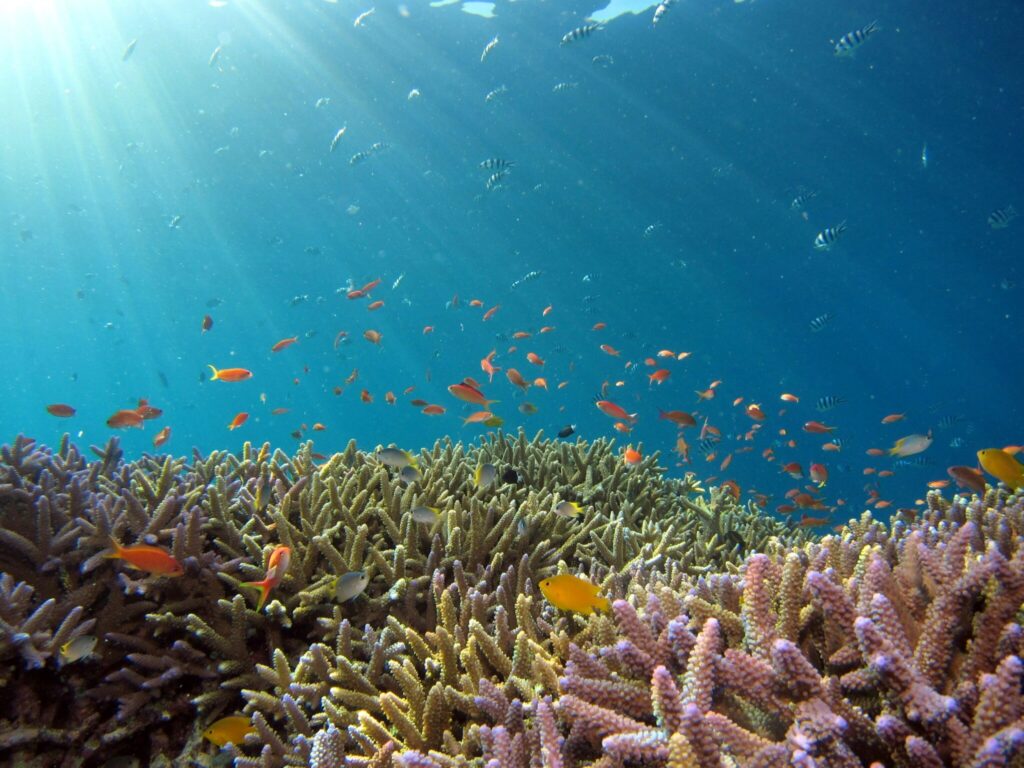
A diving holiday with TUI isn’t just a holiday — it’s a whole new perspective. One minute you’re stressing about emails, the next you’re floating past coral reefs with turtles minding their own business. Honestly? Once you’ve seen the world underwater, it’s hard not to want to go back. Have a read, pick your spot, and start planning your next deep dive! TUI Diving Holidays



Leave a reply